
HANTAVIRUS
Symptoms, Transmission, and Prevention

Hantaviruses are a family of viruses that can cause severe illness and even death. These viruses cause diseases such as Hantavirus Pulmonary Syndrome (HPS) and Hemorrhagic Fever with Renal Syndrome (HFRS), which have an incubation period of 1 to 6 weeks. They are primarily transmitted by rodents.
According to experts, the variant of hantavirus that has infected passengers on the MV Hondius is the Andes virus, the only one that is transmitted from person to person.
When it occurs, person-to-person transmission has been associated with close and prolonged contact, especially among household members or intimate partners, and is more likely during the initial phase of the disease, when the virus is most transmissible.
What causes it?
The virus is present in the urine and feces of rodents, especially deer mice. Humans are thought to become infected when exposed to contaminated dust from nests or mouse droppings.

You may come into contact with this contaminated dust when cleaning buildings that have been vacant for a long time.
Transmission
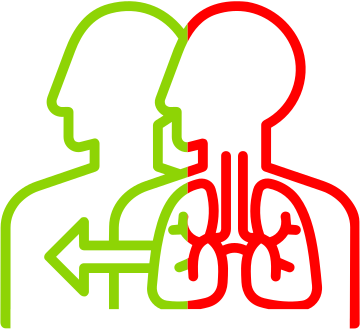
However, person-to-person transmission is extremely rare. According to the World Health Organization (WHO), there is no clear evidence of direct person-to-person transmission, although there are some anecdotal cases and studies that suggest it may occur in very specific circumstances, such as:

Transmission through close contact
In some cases, transmission of the virus has been reported through close contact with an infected person, such as in an outbreak in Argentina in 1996, where 5 cases of person-to-person transmission were reported (Katz et al., 1996).
Transmission through organ transplantation
Transmission of the virus has also been reported through organ transplantation from an infected donor (Mertz et al., 2006).
Signs and symptoms
The initial symptoms of Hantavirus disease are similar to those of the flu and include:


- Chills
- Fever
- Muscle aches
- Dry cough
- General malaise
- Headache
- Nausea and vomiting
- Shortness of breath

What will the doctor find on examination?
- Abnormal lung sounds as a result of inflammation (Hantavirus Pulmonary Syndrome, HPS)
- Renal failure (Hemorrhagic Fever with Renal Syndrome, HFRS), more prevalent in Europe and Asia.
- Low blood pressure (hypotension)
- Low oxygen levels in the blood, causing the skin to turn blue (cyanosis)

What tests will the doctor order to confirm?
- Blood tests for signs of hantavirus (presence of antibodies to the virus)
- Complete Blood Count (CBC) with white blood cell differential
- Comprehensive Metabolic Panel (CMP) including kidney and liver function tests
- Urine analysis
- Chest X-ray
- If necessary, chest CT scan

What is the treatment?
People with hantavirus are hospitalized in isolation, often in the Intensive Care Unit (ICU). Treatments include:
- Oxygen
- Mechanical ventilation in severe cases
- Special machines to oxygenate the blood
- Other supportive care to treat symptoms

What is the prognosis?
Hantavirus is a serious infection that worsens rapidly. Pulmonary failure can occur, leading to death. Even with intensive treatment,
38% of people with this disease in the lungs die.

What are the possible complications?
- Renal and cardiopulmonary failure
These complications can lead to death.

When should I see a doctor?
If you experience symptoms such as fever, chills, headache, muscle or body aches, cough, sore throat, runny nose, fatigue, nausea, vomiting, and diarrhea after being exposed to mouse urine or droppings, or dust that may have been contaminated with these substances.

How can I prevent infection?
- Avoid exposure to rodent urine and droppings.
- Ensure that the water you drink is not contaminated.
- When camping, sleep on a covered and padded floor.
- Clean areas where rodents may make their nests and keep the kitchen clean.
If you have to work in an area where contact with rodent urine or feces is possible, follow these recommendations from the Centers for Disease Control and Prevention (CDC) in the United States:
- When opening buildings that have been vacant, open all windows and doors, leave the area, and allow the space to air out for 30 minutes.
- Return to the area and moisten surfaces with a disinfectant. Leave the area for another 30 minutes.
- Soak mouse nests and droppings with 10% bleach or a similar disinfectant. Wait 30 minutes, collect the material with rubber gloves, and place it in plastic bags, seal them, and dispose of them in the trash or incinerator. Dispose of gloves and cleaning utensils in the same way.
- Wash all hard surfaces that may be contaminated with bleach or a disinfectant solution.
- Avoid vacuuming the area until it is completely decontaminated. Then, vacuum with sufficient ventilation. Surgical masks may provide some protection.
- If there is a rodent infestation, call a pest control company. They have special equipment and cleaning methods.
Part 1
Part 2