
Breast cancer is a condition that begins when certain cells in breast tissue grow uncontrollably. Over time, these cells can form a tumor, affect nearby tissues and, in some cases, spread to other parts of the body.
Although breast cancer occurs more often in women, anyone with breast tissue can develop it. Knowing the possible symptoms, risk factors and tests used to detect breast cancer can help you seek medical care promptly.
What are the symptoms of breast cancer?
Breast cancer symptoms can vary from person to person. Some people may not have any noticeable signs in the early stages. That’s why it’s important to know how your breasts normally look and feel so you can recognize any new changes.
Some signs that should be evaluated by a healthcare professional include:
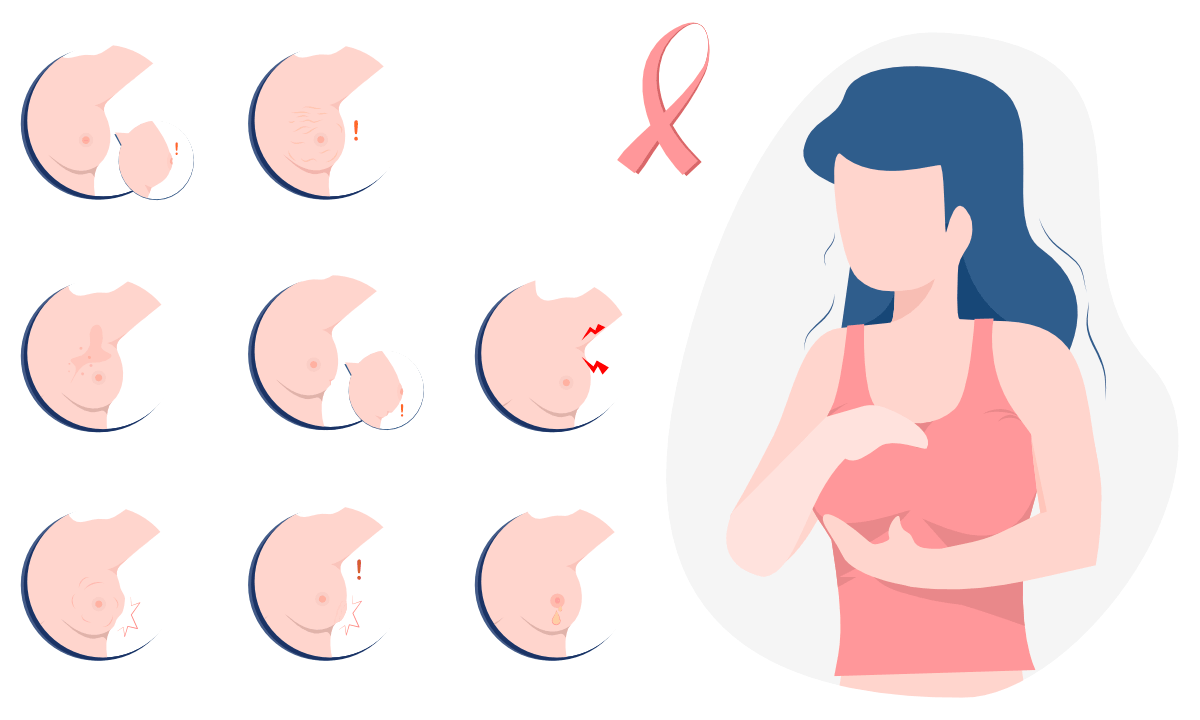
- A lump or hardened area in the breast or under the arm.
- Changes in the size, shape or appearance of one breast.
- Thickening of part of the breast tissue.
- Dimpling or small indentations in the skin.
- Skin with an orange-peel texture.
- Redness, flaking or changes in skin color.
- A nipple that becomes flattened, sunken or turns inward.
- Changes, crusting or flaking around the nipple.
- Nipple discharge other than breast milk, especially if it contains blood.
- New or persistent pain in any part of the breast.
Finding one of these changes does not necessarily mean you have cancer. However, it’s important not to wait until your next mammogram to talk to a doctor, especially if the change is new, persists or continues to worsen.
Inflammatory breast cancer: a condition that can look like an infection
Inflammatory breast cancer is a less common type of breast cancer that can develop quickly. Unlike other types of breast cancer, it does not always cause a clearly identifiable lump.
Some of its main symptoms include sudden swelling of one breast, a feeling of heaviness, increased warmth, pain, tenderness and red, purple or pink changes in the skin. Dimpling or an orange-peel-like texture may also appear.
These symptoms can be mistaken for a breast infection, such as mastitis. If you receive treatment for an infection and the changes do not improve, it is important to go back to your doctor for further evaluation.
How is breast cancer diagnosed?
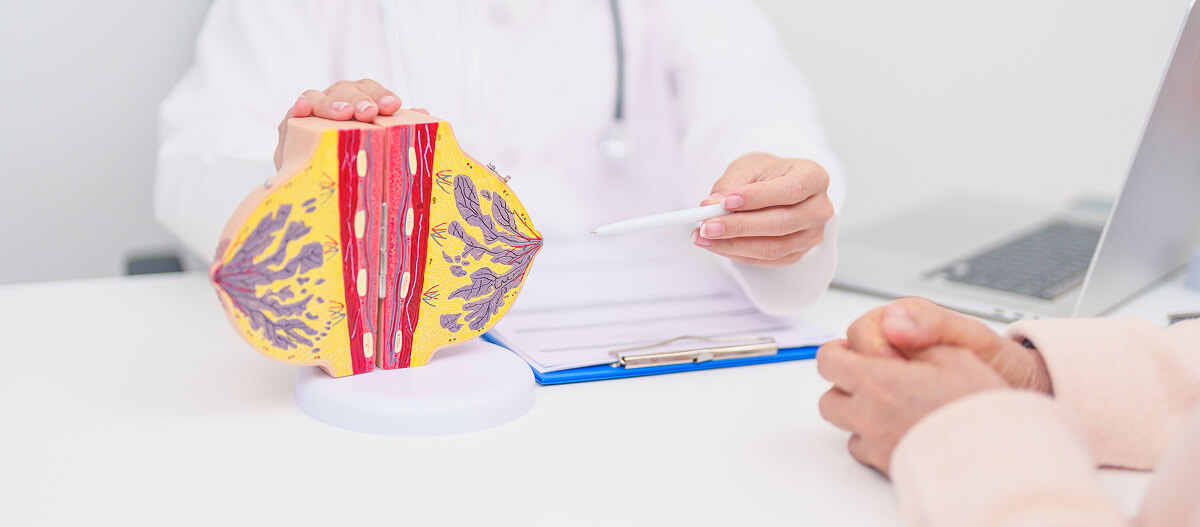
Screening mammograms are used to look for changes in people who do not have symptoms. When a mammogram shows an abnormal result or a person has breast cancer symptoms, a doctor may recommend additional tests. An abnormal result does not automatically mean cancer is present. It means the area needs to be examined more closely.
Tests used to diagnose breast cancer may include:
- Breast ultrasound: Uses sound waves to create images of the inside of the breast.
- Diagnostic mammogram: Provides more detailed images of an area with a lump, change or abnormal finding.
- Breast MRI: Creates detailed images using a magnet connected to a computer.
- Biopsy: Removes a sample of tissue or fluid for testing to determine whether cancer cells are present.
If a diagnosis is confirmed, additional tests may be performed to determine the type and stage of the cancer and whether the cells have spread to the lymph nodes or other areas of the body. This information helps the medical team select the most appropriate treatment.
Factors that may increase your risk
There is no single cause of breast cancer. The condition may be associated with a combination of genetic, hormonal, environmental and lifestyle factors.
Some factors that may increase the risk include:
- Older age.
- A family history of breast cancer.
- Having previously had breast cancer or certain breast conditions.
- Having dense breasts.
- Inherited changes in genes such as BRCA1 or BRCA2.
- Receiving radiation to the chest during childhood or young adulthood.
- Using certain hormone therapies for menopause.
- Drinking alcohol.
- Being overweight or having obesity after menopause.
What does it mean to have dense breasts?
Breast density describes the amount of fibrous and glandular tissue compared with fatty tissue in the breasts. It can only be determined through a mammogram.
Having dense breasts may increase the risk of breast cancer and can make certain findings more difficult to see on a mammogram. If your mammogram report says you have dense breasts, talk to your doctor about what that means for you and which screening tests are appropriate based on your individual risk.
What can you do to take care of your breast health?
Not all cases of breast cancer can be prevented, but there are steps that may help support your health and reduce certain risks:
- Talk to your doctor about when you should begin getting mammograms and how often you should have them.
- Become familiar with how your breasts normally look and feel.
- Report any new lump or change right away.
- Maintain a healthy weight.
- Get regular physical activity.
- Limit or avoid alcohol.
- Ask about the benefits and risks before using hormone therapy for menopause.
- Share your family history of breast or ovarian cancer with your doctor.
Knowing your breasts does not replace mammograms or medical evaluations. However, it can help you recognize a change that needs professional attention sooner.
Conclusion: Don’t ignore changes in your breasts
If you notice any changes, have a family history of breast cancer, have been told you have dense breasts or need guidance about screening tests, talk to your doctor.
Visit the Salus medical directory or schedule an appointment by calling 787-789-1996. Taking care of your health starts with seeking guidance at the right time.
Part 1
Part 2